

Description
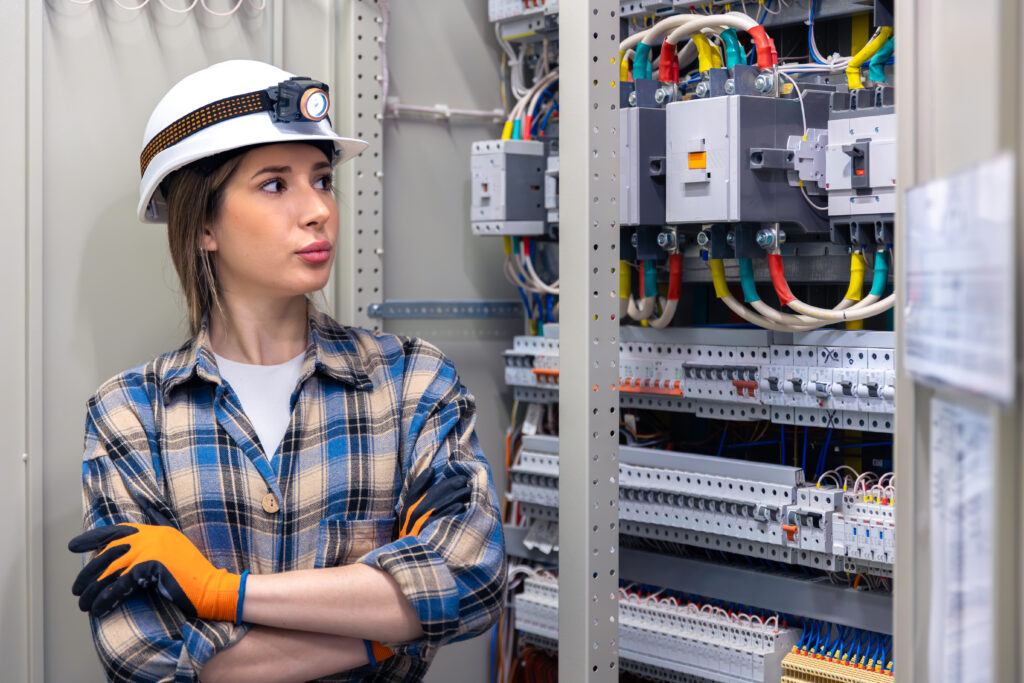
Conducts tests of electrical systems, prepares charts and tabulations, and assists in estimating costs in support of Electrical Engineers and Engineering Technologists. They are critical in designing, installing, and maintaining electrical systems in various industries, including power generation, telecommunications, and manufacturing. Their responsibilities also include troubleshooting and repairing electrical equipment. Registration or licensing may be required.
Specialisation
- Electrical Engineering Laboratory Technician
- Electrical Instrument Technician
Average Income
The average income of an Electrical Engineering Technician in Australia is approximately AUD 98,000 annually. However, this can vary depending on experience, qualifications, and location.
Average Age
- – Males: 36.3
- – Females: 27.9
- – Persons: 34.8
Skill Priority in 2023
The Skills Priority List (SPL) offers an elaborate perspective on professions experiencing a shortage at a national level and within individual states and territories in Australia. Additionally, the SPL provides insight into the projected demand for various occupations in the future.
- S: Shortage
- NS: No Shortage
- R: Regional Shortage
Electrical Engineering Technician 312312
| National | NSW | VIC | QLD | SA | WA | TAS | NT | ACT | Future Demand |
|---|---|---|---|---|---|---|---|---|---|
| NS | NS | S | NS | NS | NS | NS | NS | NS | At Economy-Wide Average |
Unit Group 3123: Electrical Engineering Draftspersons and Technicians
Occupations in Unit Group 3123
– Electrical Engineering Draftsperson 312311
– Electrical Engineering Technician 312312
The ANZSCO Codes (Australian and New Zealand Standard Classification of Occupations) for the Unit Group 3123 includes occupations related to Electrical Engineering Drafting and Technician. This group covers roles such as preparing technical drawings, diagrams and plans for electrical engineering work according to specifications and codes, and assisting with research, design, testing, installation, operation, maintenance and repair of electrical systems and equipment.
Indicative Skill Level
Skill Level: 2
The ANZSCO Skill Level Classification 2 for Electrical Engineering Technician refers to occupations requiring a skill level commensurate with a bachelor’s degree or higher qualification in Electrical Engineering or a related field. This skill level requires a comprehensive understanding of theoretical and practical concepts in Electrical Engineering and the ability to apply this knowledge to various tasks, including research, design, testing, installation, operation, maintenance and repair of electrical systems and equipment.
An Electrical Engineering Draftsperson at Skill Level 2 is expected to have advanced technical knowledge and electrical engineering skills, and significant field work experience. They are typically responsible for developing complex technical designs, analysing projects, etc.
Skills Assessment Authority
For Australia
In Australia, the Skills Assessment Authority for Electrical Engineering Technicians is Engineers Australia. Engineers Australia conducts a Competency Demonstration Report (CDR) assessment to determine whether an applicant’s engineering qualifications and work experience are equivalent to Australian standards.
For New Zealand
In New Zealand, Engineering New Zealand assesses the skills, qualifications, and experience of an Electrical Engineering Technician who wishes to migrate to New Zealand under the Skilled Migrant Category.
Tasks to Perform for Electrical Engineering Technician
Here are some everyday tasks that Electrical Engineering Technicians may perform:
- Assist with designing and developing electrical systems and equipment.
- Read and interpret technical drawings, diagrams, and specifications.
- Conduct tests and inspections on electrical equipment and systems.
- Troubleshoot and diagnose faults in electrical equipment and systems.
- Install, repair, and maintain electrical equipment and systems.
- Collaborate with other engineers and technicians to develop solutions to technical problems.
- Prepare technical reports and documentation.
- Keep up-to-date with changes in electrical codes and regulations.
- Follow safety procedures and guidelines to ensure a safe working environment.
- Provide technical support to customers or other departments within the organisation.
English Requirement
| English Language Test | Minimum Score |
|---|---|
| International English Language Testing System (IELTS) | Minimum Score of 6 (Learning, Reading, Writing), 7 in Speaking and 7 Overall |
| Occupational English Test (OET) | OET result with a Minimum Grade B in all sections |
| Test of English as a Foreign Language (TOEFL) | Minimum Score (Learning: 12, Reading: 13, Writing: 21, Speaking: 23 and Overall 93) |
| Pearson Test of English (PTE) Academic | Minimum Score of 50 (Learning, Reading, Writing), 65 in Speaking and 65 Overall |
It’s important to note that these requirements may vary depending on the employer’s specific requirements or the professional association you are applying to. Additionally, different or additional English language requirements may apply for certain visas or visa subclasses.
Exceptions
- Some visa programs have age limits or requirements that may exclude individuals above a certain age from applying.
- Proficiency in the English language is typically required for most visa programs, and applicants may be required to take an English language test to demonstrate their ability.
- Depending on the visa program, applicants may be required to have specific qualifications, such as a diploma or degree in Electrical Engineering or a related field or a certain number of years of relevant work experience.